

Scope, schedule, and change control
Scope, schedule, and change control are the disciplines that keep a project from drifting once decisions start becoming expensive to reverse.
What this pillar covers
This pillar covers the disciplines that turn a broad intent into work that can be priced, sequenced, and managed fairly. The articles focus on scope definition, decision timing, documentation quality, long-lead coordination, and how changes should be handled when conditions or selections evolve.
Common failure modes this pillar helps prevent
- Budget drift caused by scope that is described loosely or left open-ended
- Schedule disruption created by late selections and poorly timed decisions
- Confusion over what was included, excluded, assumed, or approved
- Unfair change handling when conditions shift and the documentation is weak
How to use the articles in this pillar
Use this pillar when a project is moving from concept into pricing or from pricing into active delivery planning. Start with the article that matches the control problem in front of you, whether that is defining scope, locking decisions, or managing refinements without losing clarity.
Related Pillars
Use Feasibility first if the project still has major unknowns about viability. Use Permits, code, and approvals alongside this pillar when review pathways, inspections, or permit timing will influence how the work must be sequenced.
Most Recent Post

Closeout Discipline: What Should be Delivered at Handover, Every Time
A project is not properly complete just because the visible work appears finished. Closeout is the point where the owner should receive clear confirmation of what was completed, what remains to be resolved, what documents support the finished work, and how...
All Posts

Meeting Rhythm That Works: Decisions, Accountability, and Fewer Surprises
A renovation, custom home, investment property, or commercial project does not stay controlled because people talk often. It stays controlled because the right people meet at the right time, with the right information, and with decisions recorded clearly enough that...

Unknown Conditions: How to Investigate Risk Before it Becomes Cost
Unknown conditions are one of the main reasons renovation budgets and schedules move after work begins. They are not always evidence of poor planning, but they become more costly when they are ignored until demolition, excavation, or opening work forces a rushed...

Allowances Explained: How They Work and Where They Go Wrong
Allowances are not a problem by themselves. They become a problem when they are used to make an unfinished quote look complete, or when the owner does not understand what decisions, quantities, exclusions, and price changes are still unresolved. A good allowance gives...

Selections Timing: A Decision Schedule That Prevents Delays and Upgrades
Selections timing is one of the main reasons a renovation, custom home, kitchen, investment property, or commercial project stays organized or starts to drift. The issue is rarely whether an owner can make good choices. The issue is whether those choices are made...

Scope Clarity vs Scope Creep: Keeping Decisions Auditable
Scope clarity vs scope creep: keeping decisions auditable Scope clarity is the difference between a controlled project and a project that slowly becomes something else. Scope creep rarely begins with one dramatic change. It usually starts with a small decision that...
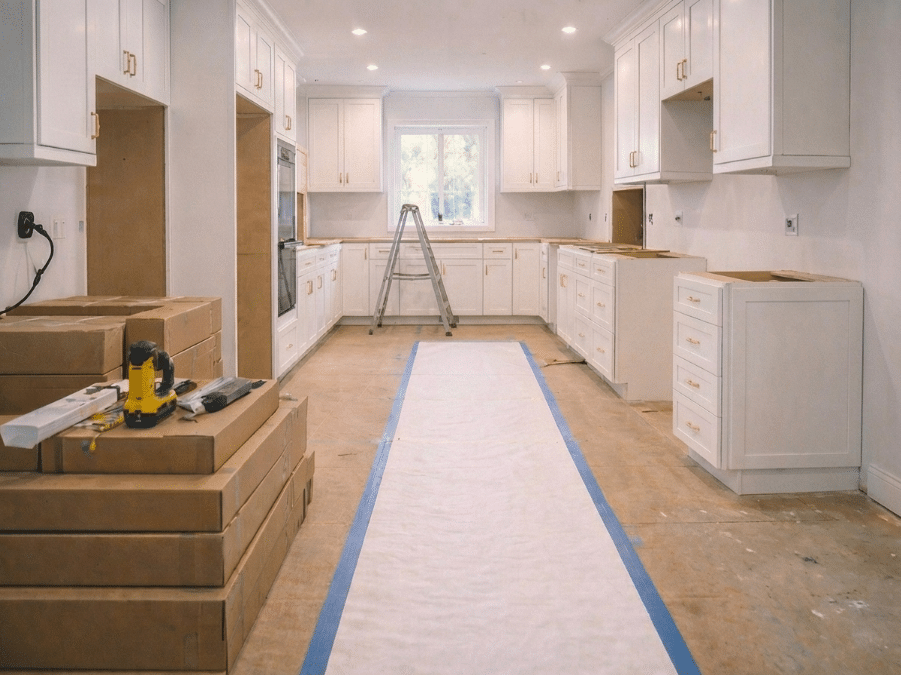
Why the Best Renovations Feel Easy and Why That is Never an Accident
A renovation that feels easy is usually the result of control, not luck. The work is planned in a way that protects your day-to-day life, keeps decisions moving, and prevents surprises from becoming emergencies. When that control is missing, even skilled trades can...

The Cost of Late Decisions: Why Small Changes Compound During Construction
Late decisions feel small in the moment, but they rarely stay small. A changed fixture, a revised layout, or a new finish choice can trigger rework, re-ordering, and re-sequencing that ripples through multiple trades. What looks like a simple upgrade can become a...